
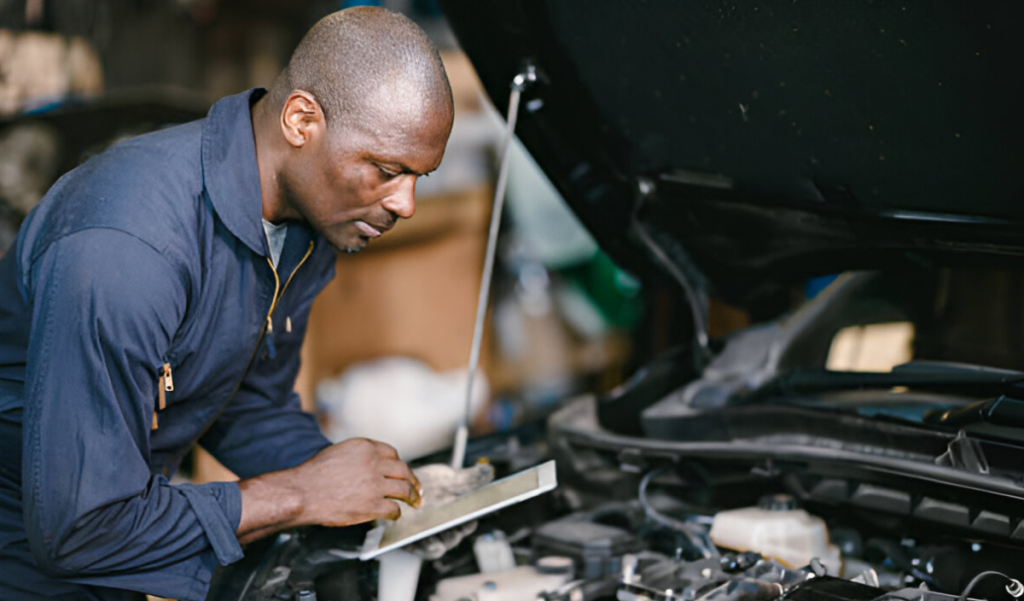
Kenya’s vehicle fleet is overwhelmingly made up of Japanese imports — Toyota, Nissan, Honda, Mazda, Subaru, Isuzu — alongside a growing number of European and hybrid models, and nearly all of them are now, in effect, rolling computers. Guessing at a fault by ear or by swapping parts one at a time wastes both time and money. Here’s what proper diagnostics and servicing actually covers, and what to expect from a competent auto service provider in Kenya.
Why computerised diagnostics matter
Every vehicle built in roughly the last two decades runs multiple onboard computers (ECUs) managing the engine, transmission, brakes, airbags, and increasingly the climate and infotainment systems too. When something goes wrong, these systems log fault codes — but reading and correctly interpreting those codes requires the right scanning equipment and, for many faults, brand-specific diagnostic software rather than a generic reader alone.
A proper diagnostic session identifies the actual root cause rather than the most likely guess, which matters because:
- Engine faults can produce symptoms that look like a fuel system, sensor, or transmission problem
- Warning lights (engine, ABS, airbag, gearbox) don’t tell you the specific fault on their own — they flag that a fault exists
- Unnecessary part replacement based on a guess is common in the market and costs more than proper diagnosis in the first place
What our diagnostic and servicing work covers
- Computerised engine diagnostics — OBD-II and manufacturer-specific scanning across Japanese, European, American, and Chinese makes, reading and interpreting fault codes from the ECU
- Electrical system diagnostics — battery, alternator, wiring faults, sensors, and dashboard warning lights (see our Batteries page for the battery-vs-alternator distinction specifically)
- Mechanical servicing — oil changes, filters, brakes, suspension, steering, cooling systems, and timing components
- Transmission diagnostics and repair — including issues specific to automatic and CVT transmissions common in imported Japanese vehicles
- Air conditioning service — regassing and fault diagnosis, particularly relevant given Kenya’s climate
- Pre-purchase and general inspections — a full systems check before buying a used import, or as part of routine ownership
How a diagnostic visit typically works
- Initial scan — a handheld or laptop-based scanner is connected to the vehicle’s OBD-II port (standard on virtually all vehicles sold from the mid-2000s onward) to read stored and pending fault codes.
- Interpretation — fault codes point toward a system or component, but experienced technicians cross-reference the specific code against the vehicle’s make, model, and known common failure points, since the same code can have different root causes across brands.
- Physical inspection — confirming the diagnosis with hands-on checks (wiring continuity, sensor readings, mechanical wear) rather than replacing parts based on the code alone.
- Clear explanation and quote — you should get a plain-language explanation of what’s wrong before any repair work begins, with a written quote — not jargon, and not surprise charges once the car’s already on the lift.
- Repair and verification — after the fix, the vehicle is re-scanned to confirm the fault code clears and doesn’t return under normal operating conditions.
What to look for in a reliable auto service provider in Kenya
- Modern OBD-II and brand-specific scan tools — not just a basic generic code reader, especially if you drive a less common European or hybrid model
- Technicians familiar with your specific make — Japanese import electronics and quirks differ meaningfully from European systems
- Written quotes before work begins, with no hidden costs added mid-repair
- Genuine or OEM-equivalent parts, with a stated service/parts warranty
- Clear communication — a good technician explains the fault in plain language, ideally backed by photos or the actual scan output, rather than vague reassurance
- Mobile/collection service options — increasingly common in Nairobi, useful when a fault makes the vehicle unsafe or inconvenient to drive in
Book a diagnostic scan if any of the issues below sound familiar.
Common issues Kenyan drivers bring in
- Check-engine and warning lights that come on intermittently or after fueling
- Rough idling or loss of power, often traced to fuel system, ignition, or sensor faults
- Battery/alternator-related electrical faults
- Brake and suspension wear from Kenya’s mixed road conditions — a combination of good tarmac, murram, and rough patches that accelerates wear on suspension components compared to smoother-road markets
- AC performance issues, especially before and during hot seasons
- Transmission hesitation or delayed engagement, common on higher-mileage automatic imports
Fleet and commercial servicing
For matatu SACCOs, delivery fleets, and other commercial operators, unplanned downtime is a direct revenue hit — a vehicle off the road for a day is a day of lost income, not just a repair bill. A good commercial servicing relationship includes:
- Scheduled preventive maintenance rather than only reactive repairs, catching issues before they cause a breakdown
- Fast turnaround on routine work (oil changes, brake replacement) to minimize vehicle downtime
- Coordination with your GPS/fleet tracking data — mileage and engine data from a fitted tracker can flag when a service is actually due, rather than relying on guesswork or a fixed calendar interval
Frequently asked questions
How do I know if my car needs a diagnostic scan or just routine service? Any dashboard warning light, unusual noise, loss of power, or handling change warrants a diagnostic scan first — it’s the fastest way to know whether you’re looking at routine maintenance or an actual fault, and it avoids paying for guesswork.
Is a diagnostic scan expensive? Many providers in the Kenyan market offer a free or low-cost basic code-reading scan, with charges applying only for deeper diagnostic work or the repair itself — worth confirming pricing structure before booking.
Can you service hybrid vehicles? Yes, though hybrid systems (increasingly common with Toyota Aqua, Prius, and similar imports) require technicians familiar with the specific high-voltage and hybrid battery systems involved, in addition to standard mechanical knowledge.
Do you offer mobile diagnostics, or do I need to bring my car in? Mobile diagnostic and basic repair services are increasingly available in Nairobi and surrounding areas for situations where driving the vehicle in isn’t practical or safe.
How often should routine servicing happen? This varies by vehicle age, mileage, and manufacturer recommendation, but as a general rule, oil and filter changes are typically needed every 5,000–10,000 km, with a fuller service interval review appropriate at your specific vehicle’s recommended intervals.
Dashboard light on, or something just feels off? Book a diagnostic scan with Crescent Systems Kenya — plain-language explanation and a written quote before any work begins.
Ready to secure your vehicle?
Get a free consultation on Auto Diagnostics & Servicing in Kenya: What Modern Car Repair Actually Involves today. We serve Nairobi and nationwide.
Chat with an Expert