
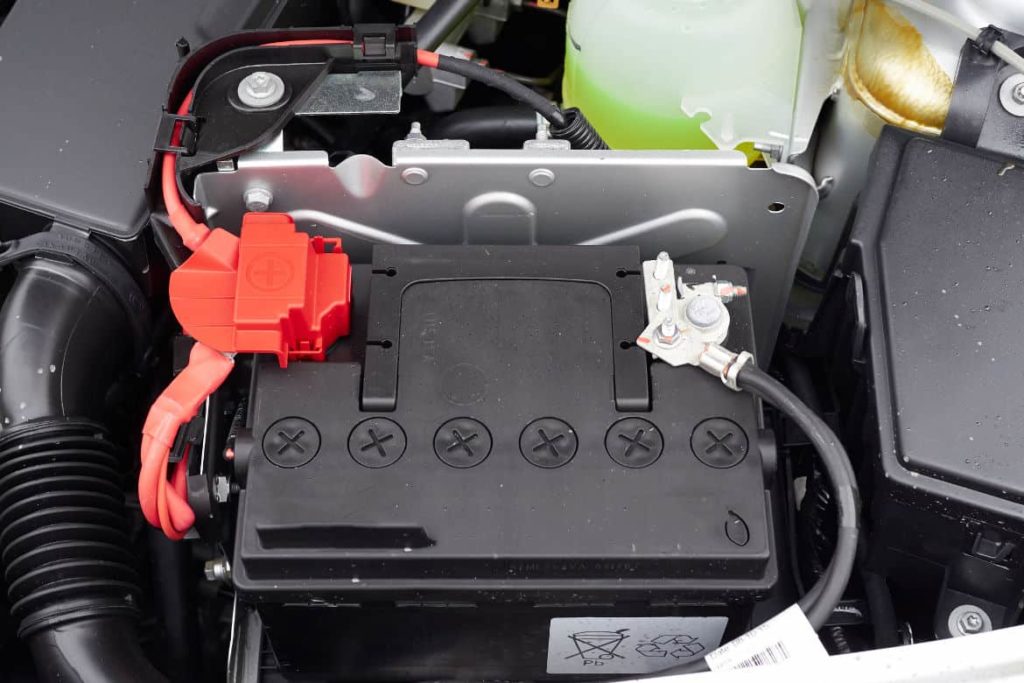
A flat battery is one of the most common reasons a car fails to start in Kenya, and it’s almost always preventable with a genuine battery and a proper fitting. This guide covers what’s actually available in the Kenyan market, realistic pricing, and how to tell when your battery — not something else — is the real problem.
What determines the right battery for your car
Vehicle batteries aren’t one-size-fits-all. The right fit depends on:
- Battery size/casing standard — Japanese-imported vehicles (the majority of Kenya’s fleet) commonly use JIS sizing (e.g., NS40, NS60, NS70), while European and some American models use DIN sizing (e.g., DIN 66, DIN 80, DIN 100). Fitting the wrong casing standard, even at the right voltage, can cause a poor physical fit or terminal mismatch.
- Capacity (Ah) and Cold Cranking Amps (CCA) — smaller sedans typically need 45–60 Ah batteries with moderate CCA, while larger SUVs, diesel engines, and vehicles with heavy electrical loads (sound systems, extra lighting, winches) need higher Ah and CCA ratings.
- Battery technology — standard flooded lead-acid batteries remain the most common and affordable option; AGM (Absorbent Glass Mat) and EFB (Enhanced Flooded Battery) batteries are increasingly required for newer vehicles with start-stop systems, and handle deep discharge cycles better — relevant for Nairobi’s stop-and-go traffic.
Popular brands in the Kenyan market
- Chloride Exide — one of the most established brands locally, widely stocked with strong garage/dealer network support
- Amaron — an Indian brand specifically engineered with “High Heat Technology” for tropical climates, popular for its balance of price and tropical-climate durability
- Bosch — premium positioning, notably their AGM “start-stop” range, well suited to European vehicles and Nairobi’s heavy stop-and-go traffic
- Delkor — noted for deep-cycle performance and resilience under heavy electrical loads
- Globatt and Mixtech — gaining traction as competitively priced options, including higher-capacity maintenance-free models
What does a car battery cost in Kenya?
Pricing varies significantly by size, brand, and technology:
- Budget/standard batteries (35–45 Ah, common sedan sizes) — roughly KSh 8,000–13,000
- Mid-range batteries (45–65 Ah) — roughly KSh 13,000–20,000, the most common range for typical family sedans and small SUVs
- Premium/AGM start-stop batteries (DIN 80–100) — roughly KSh 24,000–45,000, reflecting the higher build cost and suitability for European or high-electrical-load vehicles
Most retailers include fitting and old-battery disposal as part of the purchase — confirm this is included when you get a quote rather than charged separately, and ask whether the old battery has trade-in value (most do, since lead-acid batteries are recyclable).
Warranty — what to actually check
Standard warranties in the Kenyan market run around 1 year, with some premium batteries offering longer free-replacement periods. Before buying, always:
- Buy the freshest stock available — a battery loses shelf charge over time, so aim for one manufactured within the last 3–6 months rather than one that’s been sitting in a warehouse.
- Confirm the warranty is registered to you at point of sale, not just verbally promised — this is what determines whether a claim is honored later.
- Read what voids the warranty — improper installation, failing to maintain water levels on non-maintenance-free batteries, or drawing excessive load (aftermarket sound systems, winches) beyond the battery’s design intent are common exclusions.
Signs your battery needs replacing (not something else)
- Slow or labored engine cranking, especially noticeable on cold mornings
- Dashboard battery warning light staying on after the engine starts
- Dimming headlights or interior lights at idle
- A battery more than 3–5 years old — typical lifespan in Kenyan conditions, affected by heat, traffic-heavy short trips, and the electrical load of the specific vehicle
- Visible swelling, leaking, or corrosion around the terminals
Not every no-start is the battery — a failing alternator, a parasitic electrical drain, or a bad starter motor can produce similar symptoms. A proper on-site test (below), or a full diagnostic check, tells you which it actually is before you spend money on the wrong part.
Testing before you replace
A professional battery and charging-system test checks:
- Battery voltage and state of charge at rest
- Cranking performance under load
- Alternator output while the engine is running, to confirm the alternator is actually recharging the battery correctly
- Whether the existing battery can simply be recharged rather than replaced outright — sometimes a battery that’s merely deeply discharged (left unused for weeks, lights left on) tests fine once properly charged
Testing at least once a year is a simple way to catch a failing battery before it strands you, rather than discovering it on a morning you’re in a hurry.
Frequently asked questions
How long does a car battery actually last in Kenya? Typically 3–5 years, though this varies with driving patterns — frequent short trips in heavy traffic (common in Nairobi) work a battery harder than longer highway drives, and heat generally shortens battery life compared to cooler climates.
Do I need an AGM battery, or is a standard battery fine? If your car has a start-stop system (common on newer Toyota, Mazda, Nissan, and Suzuki models), it typically requires an AGM or EFB battery specifically designed for the frequent engine cycling — a standard battery will wear out much faster in that application. For vehicles without start-stop, a quality standard battery is usually sufficient.
Is a cheaper unbranded battery a false economy? Often, yes — cheaper batteries frequently have shorter real-world lifespans and weaker after-sales/warranty support, meaning you may end up replacing it sooner than a mid-range branded battery would have needed replacing.
Can you fit the battery on-site, or do I need to bring my car in? Mobile battery replacement is common in Nairobi and surrounding areas — a technician can test, replace, and dispose of the old battery at your location rather than requiring a garage visit.
What’s the difference between maintenance-free and standard batteries? Maintenance-free (sealed) batteries don’t require periodic water top-ups and are more forgiving day-to-day; standard flooded batteries need occasional water level checks and are typically less expensive upfront.
Battery acting up? Get a free battery test and quote from Crescent Systems Kenya — on-site testing tells you what’s actually wrong before you pay for a replacement.
Ready to secure your vehicle?
Get a free consultation on Car Batteries in Kenya: Brands, Prices & When to Actually Replace Yours today. We serve Nairobi and nationwide.
Chat with an Expert